Key Fob Battery or Dead Fob? How to Tell in Arlington TX
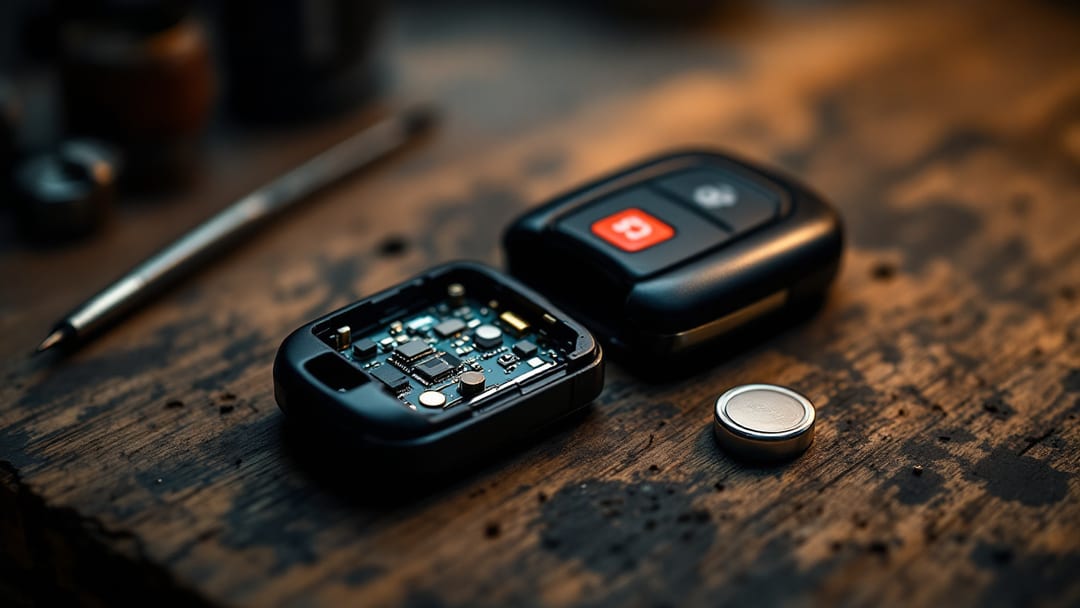
As of July 2026, a key fob battery costs a few dollars at any Arlington drugstore while a replacement smart fob with programming runs $200 to $450 — and a surprising share of the "my fob is dead" calls Arlington TX Locksmith takes turn out to be the cheap one. We will tell you that on the phone before dispatching a van, because sending a truck to sell you a key you do not need is how bad locksmiths operate. Call or text (817) 330-5762 and we will walk you through the two-minute check first. This guide shows you how to tell the difference yourself, what the backup start procedure is and how to use it, and the specific symptoms that genuinely do mean you need a new key.
The single fastest test: does range shrink, or did it die at once?
Almost every fob problem sorts into one of two patterns, and you probably already know which one you have.
A dying battery degrades gradually. Two weeks ago it worked from across the parking lot at the Parks Mall. Last week you had to be within a few feet. Yesterday you were basically touching the door handle. This morning nothing. That progressive shrinking of range is the signature of a coin cell running down, and it is the most common fob complaint there is.
A failed fob usually dies all at once. It worked perfectly on Tuesday and did nothing on Wednesday. There was often an event — it was dropped hard on concrete, it went through the laundry, it fell in a pool or a cooler, or it was sat on. No gradual decline, just a cliff.
If you are in the first category, buy a battery before you call anyone. If you are in the second, keep reading, because there are still a couple of things worth checking that cost nothing.
Use the backup start procedure to settle it definitively
This is the part most drivers do not know exists, and it turns a guess into a certainty in about sixty seconds.
Every push-to-start vehicle sold in the United States has to survive a dead fob battery — the manufacturer cannot strand you because of a $3 coin cell. So nearly all of them include a way for the vehicle to read the fob at very short range, inductively, without the fob's battery participating at all. The specific method varies by make:
- Holding the fob flat against a marked spot on the steering column or the start button itself
- Placing the fob in a designated slot, tray, or cupholder with a key symbol
- Inserting the fob into a dedicated pocket in the console
Your owner's manual documents the exact procedure for your vehicle, usually under a heading about a dead key or key battery. If the car starts using that method, your fob electronics are working perfectly and the battery is your entire problem. That is a drugstore purchase, not a locksmith invoice.
If the backup procedure does not start the car with a fob you believe is good, the problem is somewhere other than the battery, and the next section covers where.
Changing the battery yourself
For most fobs this is a genuinely easy job, and there is no reason to pay someone for it.
Nearly all fobs use a flat lithium coin cell, most commonly a CR2032 or CR2025, and the correct size is printed on the old battery. Most fobs open with a small notch along the seam — you slide out the emergency blade first on many models, which reveals the release — and separate into two halves with gentle pressure from a plastic pry tool or a fingernail. A small flat screwdriver works but is more likely to scar the housing.
Two things to be careful about. First, note the orientation before you pull the old cell; nearly always the positive face points up, but photograph it if you are unsure. Second, avoid touching the flat faces of the new battery with your fingers, since skin oils on the contact surface can shorten its life.
Coin cells are also a genuine hazard around small children — they are exactly the wrong size and shape, and swallowing one causes serious injury quickly. Dispose of the old cell properly rather than leaving it on a counter; the Department of Energy publishes guidance on battery handling and recycling, and most Arlington hardware stores accept them.
Most vehicles need no reprogramming after a battery swap, because the fob's identity lives in memory that survives losing power. A few want a resynchronization — typically pressing a button while near the vehicle or cycling the ignition — and your manual will say so.
When it is genuinely the fob
Some fobs really are dead, and these are the situations where a fresh battery will not save you.
| Symptom | Likely Cause | Typical Fix | Rough Cost |
|---|---|---|---|
| Range shrank gradually, then stopped | Weak coin cell | Replace battery | A few dollars |
| Died instantly after a drop | Cracked board or solder joint | Replace fob | $200 – $450 |
| Went through a wash or submersion | Corrosion on the board | Usually replace fob | $200 – $450 |
| Buttons work, car won't detect at start | Transmitter or receiver fault | Diagnose, then fob or vehicle repair | Varies |
| Emergency blade broke in the lock | Blade fatigue | Extraction plus new blade | $75 – $200 |
| No fob works, including a good spare | Vehicle-side fault | Vehicle diagnosis | Varies |
That last row is the one worth reading twice. If a known-good spare fob also fails, the problem is not the fob. Common vehicle-side causes include a weak 12-volt battery — which produces bizarre electronic symptoms long before it fails to crank — radio interference from a nearby transmitter, a failed receiver antenna, or an immobilizer fault. Replacing the fob in that scenario is money set on fire, which is why an honest shop asks about the spare before quoting a key.
Water damage deserves its own note because it comes up constantly around Lake Arlington and every backyard pool in the city. A fob that took a quick splash and was opened and dried immediately often survives fine. One that completed a wash cycle or sat submerged has almost certainly begun corroding internally, and even if it works today it tends to fail again unpredictably later — usually at the worst possible moment. We will tell you honestly when a dry-out is worth trying and when you are just delaying the replacement.
What a new fob actually costs, and why
If you do need one, here is what drives the number.
The blank itself is a real cost — a proximity smart fob is an encrypted radio transmitter, not a piece of stamped metal. The hidden emergency blade inside still has to be cut to your specific locks. And the vehicle's immobilizer has to be convinced to trust a brand-new credential, which is the part that requires diagnostic equipment and current software.
Engine immobilizers are among the anti-theft technologies credited with reducing vehicle theft, because they prevent a car from starting unless the correct electronic key is present. — NHTSA
That security is the reason a replacement fob is not a $20 item, and it is working as designed. For the full picture on what different key types cost across makes, see our guide to car key replacement cost in Arlington, and for the difference between blade styles, our laser-cut versus transponder key explainer.
One more piece of practical advice: if you are down to a single working fob, this is the moment to make the spare. Adding a second key while one still works is a short session with no blade origination. The same key made after the last one dies costs meaningfully more, as our dealership versus locksmith cost comparison lays out.
A typical fob call in Arlington
Picture a driver who parks near the Entertainment District for an evening event. Walking back to the car after the crowd clears, the fob does nothing — no unlock, no chirp, no dome light. It is late, the lot is emptying, and the obvious assumption is a $300 problem.
On the phone, the first question is not "what year is your car." It is "has the range been getting shorter lately?" The answer is yes — it had been getting worse for two weeks and nobody connected the dots. Second question: "can you get the door open with the emergency blade inside the fob?" Most drivers do not know that blade exists until it is pointed out. It slides out, opens the driver's door manually, and the door is open at no cost at all.
Third step: the backup start procedure from the owner's manual in the glovebox. Fob held against the start button, brake pressed, engine catches. The driver goes home, buys a coin cell the next morning, and the entire episode costs about four dollars.
That call happens weekly. Sometimes it does turn out to be a genuinely dead fob and we make a key. But we ask the cheap questions first, every time, because the alternative — dispatching a van and selling a fob to someone who needed a battery — is exactly the behavior the Federal Trade Commission warns consumers about. Our guide to avoiding locksmith scams in Arlington covers the rest of the warning signs. And if you genuinely are locked out with the fob unreachable inside, our car lockout service opens the door without damage.
Frequently Asked Questions
How can I tell if my key fob battery is dead or the fob has failed? Range is the giveaway. A dying battery shrinks the distance at which the fob works — first you need to be a few feet away, then almost touching the door. A truly failed fob usually stops working all at once with no gradual shrinking. The backup start procedure in your owner's manual settles it definitively in about a minute.
What is the backup start procedure on a push-button start car? Nearly every push-to-start vehicle can read a fob at very short range even with a dead battery, usually by holding the fob against a marked spot on the steering column or start button, or by placing it in a designated slot or cupholder. If the car starts that way, your fob electronics are fine and only the battery is dead.
How much does a key fob battery cost versus a new fob? A coin cell battery costs a few dollars at any drugstore or hardware store and takes about two minutes to change. A replacement smart fob with cutting and programming typically runs $200–$450 depending on the vehicle. That gap is exactly why it is worth ruling out the battery before you call anyone.
Can a locksmith repair a water-damaged key fob? Sometimes, but honestly it is a coin flip. A fob that took a brief splash and was dried immediately often survives. One that went through a wash cycle or spent time submerged usually has corrosion on the board that will fail again later. We will tell you when a repair attempt is worth trying and when replacement is the better spend.
Do I need to reprogram the fob after changing the battery? On most vehicles, no. The fob stores its identity in non-volatile memory that survives a battery change, so it works again immediately. A small number of models want a resynchronization step, which usually just means pressing a button near the vehicle or cycling the ignition, and your owner's manual documents it.
My fob works but the car says no key detected — what now? That points upstream of the fob. Common causes include a weak vehicle battery, interference from another transmitter nearby, a failed receiver antenna, or an immobilizer fault. Try a known-good spare fob first. If the spare fails too, the problem is in the vehicle and needs diagnosis rather than a new key.
Not sure which problem you have? Ask us first
Arlington TX Locksmith would rather spend two minutes on the phone saving you $300 than sell you a fob you did not need. If the answer is a battery, we will say so. If you genuinely need a key cut and programmed, we come to you anywhere from the UTA area and Downtown Arlington out through Grand Prairie, Mansfield, Kennedale, Pantego, and Dalworthington Gardens — licensed, insured, and quoting before we start.
Call or text (817) 330-5762 and describe what your fob is doing. Text us your year, trim, and VIN if you already know you need a replacement and we will confirm the price and bring the right blank the first time. You can also reach us through our contact page or read more about our mobile service.