Keypad & Access-Control Lock Installation: Arlington Small Business
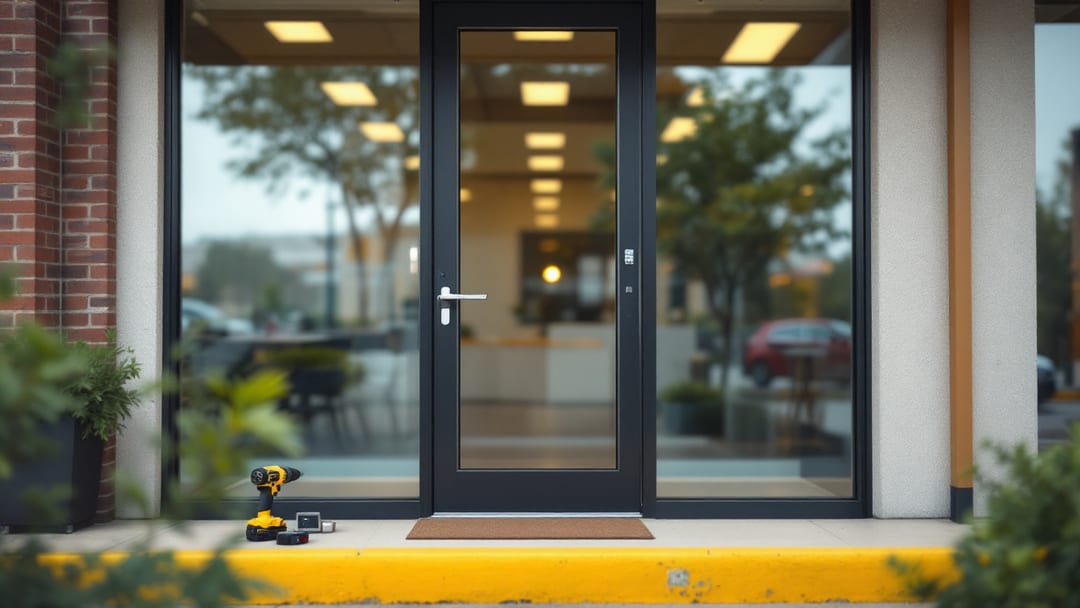
As of July 2026, an Arlington small business that is tired of cutting keys, chasing down former employees' copies, and re-keying every time someone quits has three practical upgrades — a mechanical keypad lock at roughly $150–$400 installed, an electronic or smart commercial lock at about $300–$900+, or a full networked access-control system that costs more but manages many doors and users at once. Arlington TX Locksmith installs all three across the Highway 360 and I-20 business corridors, and the right choice comes down to how often your staff changes and how many doors you need to control. For a walkthrough and an all-in quote, call or text (817) 330-5762.
Why do Arlington small businesses move off physical keys?
Physical keys are fine until a business grows. Then the cracks show. Every new hire needs a key cut. Every departure raises the same uneasy question a locksmith hears constantly along the Downtown Arlington and Highway 360 corridors: how many copies of that key are still out there? A single lost master key can force a re-key of the whole building. And a plain key tells you nothing — no record of who opened the back door at 6 a.m. or propped it open at midnight.
Keypad and access-control hardware fixes all of that by replacing the physical key with a code or a credential you control from the inside. Add a person, delete a person, and see the log — no locksmith visit required for routine changes. The U.S. Small Business Administration emphasizes that protecting physical premises and controlling who can enter is a core part of a small firm's risk planning, not an afterthought, and access control is the most direct way to put that control in an owner's hands.
The result is fewer re-keys, faster onboarding and offboarding, and an actual record of entry — the three things a growing shop, clinic, or office along I-20 tends to want most.
What types of keypad and access-control locks are there?
The market runs from dead-simple to fully networked, and matching the tier to your business is where the money is either well spent or wasted.
Mechanical keypad locks use physical push-buttons and a single shared code. No wiring, no batteries, no software. They are rugged and cheap to run, and they are a genuine upgrade over a key you keep re-cutting. The catch is code management: there is usually one code for everyone, so when someone leaves you change the code and re-tell the whole staff.
Electronic keypad locks run on batteries or wired power and support many individual codes. You can give each employee their own PIN, delete just that PIN when they leave, and many models keep an entry log. This is the sweet spot for a lot of small businesses — the accountability of access control without the cost of a networked system.
Networked access control ties multiple doors to a central controller, with keypads, fob or card readers, or phone credentials, all managed from software. You set schedules (front door unlocks at 8, locks at 6), pull reports, and manage every door and person from one screen. This is the tier for multi-door operations, businesses with strict compliance needs, or anyone running several suites along a Highway 360 office park.
| Lock type | Typical installed cost | Code / credential management | Best for |
|---|---|---|---|
| Mechanical keypad | $150–$400 | One shared code, changed manually | Single door, low staff turnover |
| Electronic keypad | $300–$900+ | Many individual PINs, delete per user | Growing shops, staff turnover, back-of-house |
| Networked access control | Higher, quoted per door | Central software, schedules, full logs | Multi-door offices, clinics, compliance needs |
The Better Business Bureau is a useful sanity check before you commit to any installer or system: confirm standing, and insist on a written, all-in price rather than a vague estimate that grows once the crew is on site.
How do electronic and mechanical keypad locks compare?
The choice between mechanical and electronic is really a choice about how you plan to manage codes — and staff turnover is the deciding variable.
A mechanical keypad shines when one door, one shared code, and near-zero staff changes describe your reality. A small owner-operated shop on Downtown Arlington's Main Street with two long-tenured employees may never need more. No batteries to die, nothing to update, and the code changes in thirty seconds when it must. The weakness is exactly there: change the shared code and everyone has to relearn it, and you cannot single out one person's access.
An electronic keypad earns its higher cost the moment you have turnover. Seasonal hires, part-timers, cleaning crews, and vendors each get a code that lives and dies with them. When someone leaves, you delete their PIN and walk away — no re-key, no all-staff memo, no lingering question about spare keys. The entry log turns "who was here?" from a guess into a record. For most Arlington businesses past a couple of employees, this is the tier that pays for itself in avoided re-keys alone.
The trade-off to respect: electronic locks need batteries kept fresh or a wired power source, and cheap consumer-grade units do not survive a Texas summer on a west-facing steel door. Commercial-grade hardware, correctly installed, does. If a lock is already failing or sticking, that may be a repair before it is an upgrade — our lock repair service handles the diagnosis.
When should a business choose access control over a master key system?
A master key system — where a hierarchy of physical keys lets a manager's key open many doors while each staff key opens fewer — is still a smart, cost-effective backbone for a lot of small businesses. It is not obsolete. The question is when to layer access control on top of it, or replace parts of it.
Stay with a master key system when: staff turnover is low, you have a manageable number of doors, budget is tight, and you value the simplicity of hardware with no batteries or software. The full breakdown of how master keying works for a storefront is in small-business master key and storefront hardware.
Move to access control when:
- You hire and lose staff frequently. Every departure on a keyed system risks a re-key; on access control it is a deleted code.
- You need to revoke access instantly. A fired employee's PIN is gone the second you delete it — no waiting on returned keys.
- You want entry records. Logs matter for accountability, insurance, and settling disputes about who was where and when.
- You manage several doors on schedules. Auto-unlock at opening and auto-lock at close removes the human error of a forgotten deadbolt.
- A key went missing. Instead of re-keying a whole building, you disable one credential.
Most Arlington small businesses land on a hybrid: access control or an electronic keypad on the main entrances and high-traffic doors, and simple keyed or master-keyed hardware on interior offices and storage. You spend the electronic money where turnover and traffic justify it, and keep cheap reliable hardware everywhere else.
A typical Arlington install: the growing clinic off I-20
Consider a small clinic in a leased suite off I-20 that started with two owners and a shared front-door key. Three years later it has a rotating roster of front-desk staff, a part-time billing contractor, an after-hours cleaning crew, and a landlord who occasionally needs access. The original single key has been copied so many times that nobody can honestly say how many exist. When a front-desk hire leaves on bad terms, the owners realize they have no clean way to cut off that person's access short of re-keying the whole suite.
The fix a locksmith recommends is not the most expensive system on the menu — it is the right one. An electronic keypad lock goes on the main entrance, giving every current staffer, the contractor, and the cleaning crew their own PIN. Interior doors — the supply closet and the records room — stay on simple keyed hardware, keyed alike for the two owners. Now offboarding is a thirty-second code deletion, the entry log shows exactly who opened up each morning, and the landlord gets a temporary code that expires. No re-key, no drama, and the clinic spent electronic money only on the one door that needed it.
That pattern — electronic where turnover lives, keyed hardware everywhere else — repeats across small offices and shops from the Highway 360 corridor down to Mansfield.
What does it cost, and what affects the price?
The installed ranges above are the starting point; a handful of factors move the final number:
- Door and frame type. A standard aluminum-frame glass storefront, a hollow-metal steel door, and a wood door each take different hardware and prep. Some doors need an electric strike or a power supply added, which affects labor.
- Standalone vs. wired. Battery-powered standalone keypads are the least invasive and least expensive to install. Wired access control with a central controller costs more per door but scales better.
- Number of doors and users. Networked systems get more cost-efficient per door as you add doors, but the up-front controller and software carry a base cost.
- Credential type. PIN-only is cheapest; adding fobs, cards, or phone credentials raises hardware cost per user.
- Commercial grade. Do not cut this corner on an exterior door. Commercial-rated hardware survives Texas weather and heavy daily use where consumer units fail.
"Take steps to protect your business's physical assets and control access to your premises — limiting who can enter, and being able to change that access quickly, is a basic and important part of a small firm's security planning."
— Guidance consistent with the U.S. Small Business Administration on physical business security
Always get the all-in figure in writing, and verify your installer's standing — the Federal Trade Commission warns specifically about vague quotes that inflate on site, a trap that applies to commercial work as much as a home lockout. When you are ready to scope your doors, our contact page starts the conversation, and we cover the business corridors from downtown Arlington out along the Highway 360 corridor and I-20.
Frequently Asked Questions
How much does a commercial keypad or access-control lock cost in Arlington? A standalone mechanical keypad lock typically runs $150 to $400 installed, an electronic or smart commercial lock lands around $300 to $900 or more, and a networked access-control system with a controller and credentials costs more still depending on door count. The right tier depends on how many doors you have and how tightly you need to manage access.
What is the difference between a mechanical and an electronic keypad lock? A mechanical keypad lock uses physical buttons and a single shared code with no wiring or batteries, which makes it simple and reliable but harder to manage codes on. An electronic keypad lock runs on batteries or power, supports multiple user codes you can add and delete individually, and often logs entries — a better fit for staff turnover and accountability.
Should a small business use access control or a master key system? Use a master key system when you want a simple, low-cost hierarchy of physical keys and staff turnover is low. Choose access control when you hire and lose staff often, need to revoke access instantly, want entry records, or manage several doors. Many Arlington businesses run a hybrid — access control on main entrances, keyed hardware on interior doors.
How do I manage door codes when an employee leaves? On an electronic keypad or access-control lock, you simply delete that person's individual code or credential, and their access ends immediately with no need to re-key anything. On a single-code mechanical keypad, you must change the shared code and redistribute it to everyone. This difference is one of the main reasons growing businesses move to electronic access.
Can a locksmith install access control on my existing storefront doors? In most cases yes. A locksmith can fit electronic keypad locks or access-control hardware to standard commercial storefront, aluminum-frame, and steel doors, often reusing the existing prep. Some doors need adapter hardware, an electric strike, or a power supply added. A site visit confirms what your specific doors and frames will support before any quote.
Are keypad and access-control locks reliable in Texas heat? Quality commercial-grade electronic locks are built and rated for exterior use and handle Arlington summers and cold snaps well, but the cheapest consumer units are not. Choosing commercial-grade hardware, keeping batteries fresh or wiring to power, and having a locksmith install it correctly are what keep an outdoor keypad reliable through Texas weather year-round.
Put access in your hands, not on a keyring
Whether your business needs one electronic keypad on the front door or a networked system across several suites, the goal is the same: add and remove people in seconds, know who came and went, and stop re-keying every time the roster changes. Arlington TX Locksmith is a mobile, licensed and insured locksmith serving small businesses across Arlington, the Highway 360 and I-20 corridors, Grand Prairie, and Mansfield. We will walk your doors, recommend the right tier — not the priciest one — and give you an all-in quote before any work starts. Call or text (817) 330-5762 or text a photo of your storefront door for a fast estimate at (817) 330-5762. Reach us anytime through the contact page.